The card we never handed over
Caracas, 2013. Hugo Chávez's funeral, a stand-up recorded in front of the National Pantheon, and five armed men demanding we erase the footage. Five minutes separated one from the other.
Caracas, 2013. The whole country was saying goodbye to Hugo Chávez.
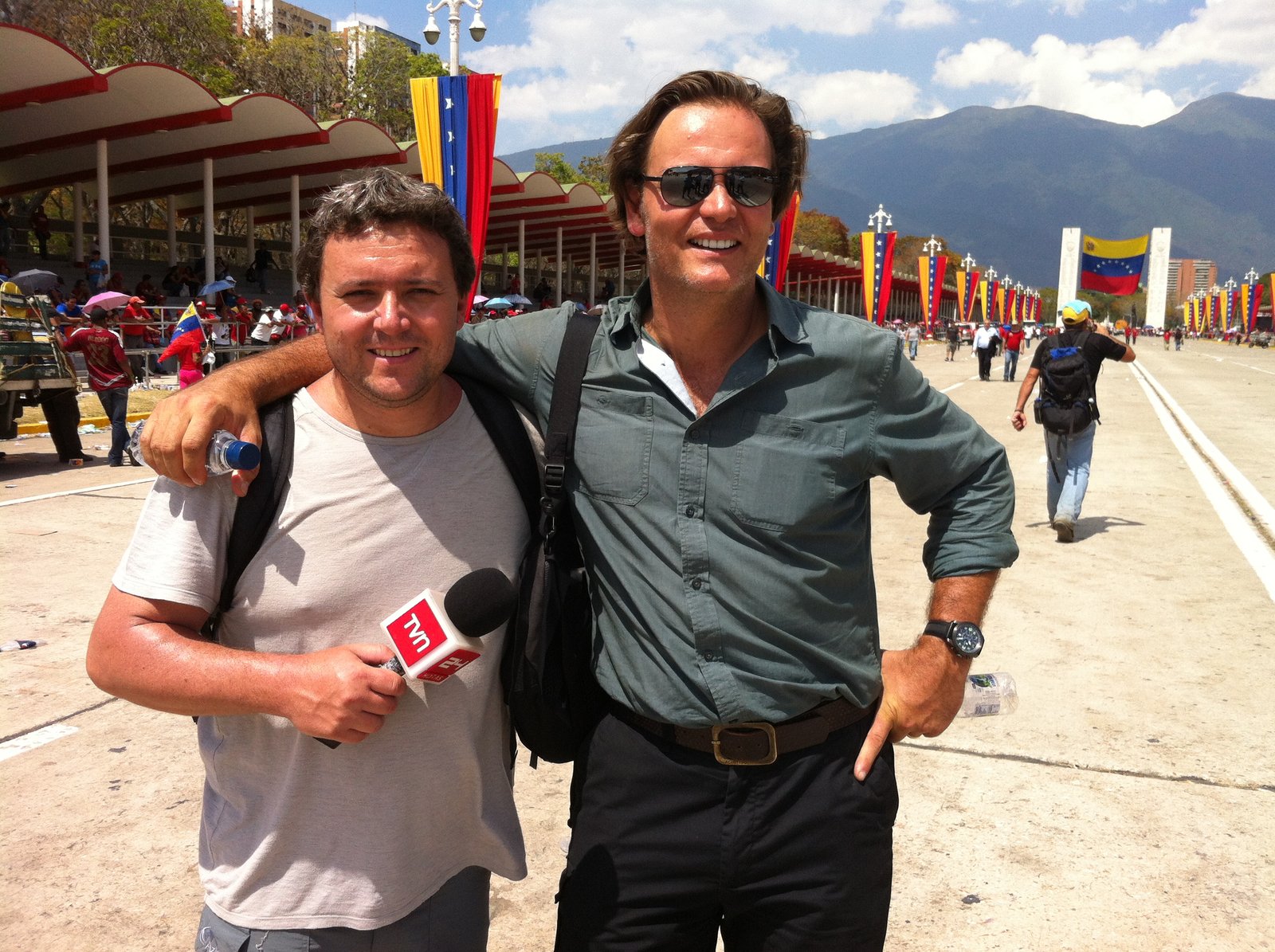
We were standing in front of the National Pantheon, where the remains of Simón Bolívar rest. It was the perfect location: Chávez had built his entire revolution on the figure of the Liberator. The symbolism was too good to pass up.
The place was empty. No guards, no police, nobody. We got out of the car and started shooting.
The reporter had already done his stand-up in front of the Pantheon. That was the most valuable thing we had: a shot we could not repeat, in a place we probably would not come back to. All of it was on the camera card.
In Venezuela, the state security services had a reputation for being rough on the foreign press. Technically it was a public space. Technically we were allowed to be there. But "technically", in that context, did not mean much.
While we kept shooting B-roll, something came back to me from other difficult assignments. I told the cameraman:
"Give me the card. Just in case."
He handed me the original card with the stand-up on it. We put a fresh one in the camera and kept working. I had the important part in my pocket.
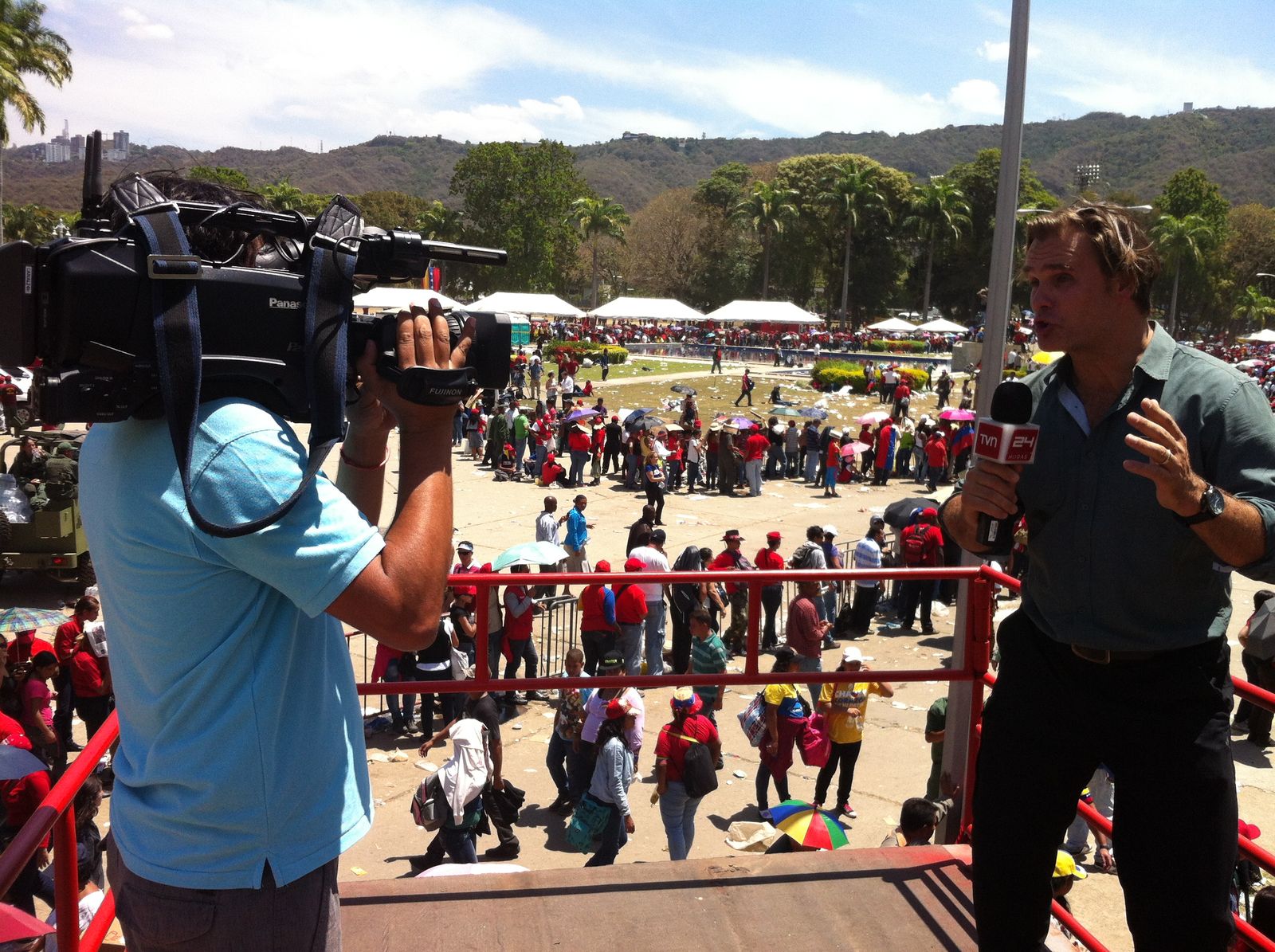
Five minutes later
Five men in plain clothes came at us, armed, from different directions. Some from behind, some from the side. They were shouting. What are you doing here. What are you filming. Documents. Credentials. Now.
It was not a warning. It was a confrontation with weapons in plain sight.
They ordered us to delete the footage.
We did. On the new card, which held only B-roll that was already safe on the other one.
They checked the camera. They saw it was empty. They gave us back our passports and let us go.
In the car, nobody said anything for a moment.
Then the reporter looked at me:
"Do you have the card?"
"Yes."
That night, the stand-up from the National Pantheon was part of our coverage of Chávez's funeral.
Craft, not heroism
Over the years I have thought about that moment a lot. It was not heroism. It was craft. Something you learn by working in the field: anticipate before the problem arrives, not after.
Technology changed everything in content production. Today we have tools that were unthinkable ten years ago. But there are decisions no algorithm can make for you: the ones you make in five seconds, with incomplete information, under pressure, with five armed men watching you.
CCS Media is an audiovisual content production company led by Camilo Cuadra Sieveking, with more than 25 years of experience in television, media and corporate communications. We produce with artificial intelligence and also in the field, where the editorial judgment was built.
Let's talk about your project